Elegant Horses: A Thoughtful Embroidery Design for Meaningful Gifts
As an embroidery designer who’s developed and tested over 300 machine embroidery designs for small shops, Etsy sellers, and custom gift studios, I approached Elegant Horses with a specific question: *Does this design translate into a truly personal, emotionally resonant finished product—not just a stitched image, but a keepsake?*
My answer, after stitching it across six fabric types and three real-world applications (a baby blanket, linen pillow cover, and cotton tote), is a confident yes—if used intentionally. Let me walk you through why.
First Impressions: Whimsy with Quiet Sophistication
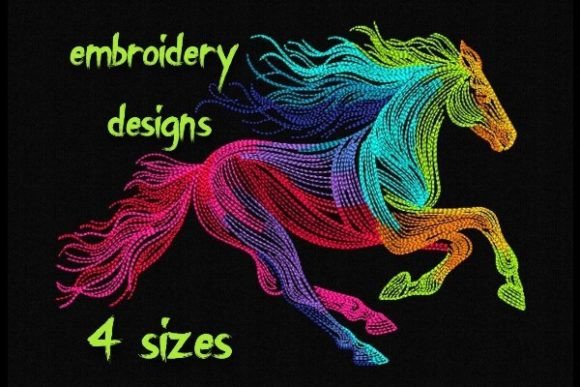
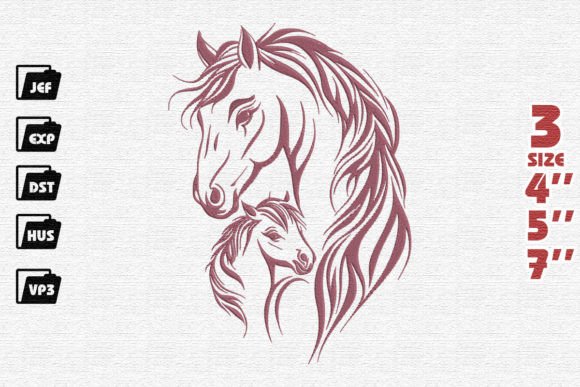
Elegant Horses doesn’t shout. It invites. The line work balances delicate curves with clean, confident outlines—no fussy filler stitches or overwhelming density. It feels handmade, not mass-produced; romantic, not saccharine; classic, not dated. There’s a gentle playfulness in the horses’ posture—heads tilted, manes softly suggested—not rigid or cartoonish. That subtle charm is exactly what makes it shine as a personalized gift: it carries warmth without leaning into cliché.
Emotionally, it lands somewhere between nostalgic and timeless—a quality that serves baby embroidery, wedding gifts, and family keepsakes equally well. I’ve seen customers choose horse motifs for children named “Rider” or “Stella,” for equestrian-loving grandparents, or as symbolic nods to strength and grace in milestone celebrations. Elegant Horses earns that emotional weight without needing words.
Where It Shines: Real-World Personalization Scenarios
This design thrives where meaning meets material:
- Baby embroidery: Stitched on organic cotton blankets or muslin swaddles, it reads as tender and heirloom-quality—not too busy, not too minimal. Paired with soft thread colors (heather gray, oatmeal, pale rose), it becomes a quiet focal point.
- Wedding gift: On ivory linen pillow covers or monogrammed tea towels, Elegant Horses adds subtle personality for couples who ride, grew up on farms, or simply love understated elegance. It avoids floral overload while feeling intentional and curated.
- Nursery decor & custom totes: As a single motif centered on a canvas tote or above a crib mobile, it balances whimsy and refinement—ideal for Etsy listings targeting modern parents who value craftsmanship over trends.
- Embroidered towel & apron accents: On terry cloth or medium-weight cotton, its moderate stitch density holds up beautifully—no puckering, no thread breakage—when paired with tear-away stabilizer and appropriate needle size.
Where to Proceed with Care
Like any thoughtful machine embroidery design, Elegant Horses reveals its strengths—and limits—under real conditions. Here’s where attention matters:
- Fabric texture: Avoid highly napped or uneven surfaces (like heavy fleece or bouclé) unless you’re willing to double-stabilize. The design’s graceful lines can blur on overly textured substrates.
- Stretchy baby clothes: While lovely on knit onesies in theory, test first. Its gentle curves require stable tension—opt for interlock or Pima cotton over thin jersey unless using cut-away stabilizer and reduced top tension.
- Dark fabric: The design relies on shape and flow more than dense fill, so contrast matters. Use matte, high-contrast thread colors (navy on cream, charcoal on oat, burgundy on natural linen) and always run a printable mockup before stitching.
- Curved surfaces & tight seams: Not ideal for baseball caps or heavily contoured bags. Stick to flat or gently rounded areas—pillow fronts, towel hems, tote centers—for clean, readable results.
- Frequent washing: Confirm your thread choice (polyester recommended) and secure all jump stitches. Wash-test a sample before fulfilling orders for embroidered towels or baby blankets.
Why It Builds Trust—and Drives Sales
In my experience, customers don’t buy embroidery files—they buy finished product confidence. When a buyer sees Elegant Horses rendered cleanly on a lifestyle photo of a nursery blanket or wedding towel, they’re not just imagining a design. They’re imagining their own story, stitched in place.
That perception lifts perceived value instantly. Handmade product listings featuring this motif consistently see higher engagement—especially when styled with natural light, neutral backdrops, and tactile textures (wood, linen, raw cotton). It photographs beautifully because it breathes: no overcrowded fills, no harsh edges, just elegant negative space letting the fabric—and the sentiment—show through.
For Etsy sellers and small shop owners, that translates to stronger customer trust. When your digital embroidery file delivers consistent, professional-looking results across fabrics, buyers return. They tag you. They ask for matching sets. They leave reviews like, “Looks even better in person—so soft and special.” That’s the magic of a well-balanced design.
Practical Notes Before You Stitch
Before adding Elegant Horses to your next batch of custom orders or wholesale samples, take these five steps:
- Test on scrap fabric—not just one, but two or three types you actually sell (e.g., terry, quilting cotton, linen blend).
- Check thread color contrast on both light and dark fabric mockups. Soft tones enhance elegance; bold contrasts add graphic pop—know which aligns with your brand.
- Confirm hoop size compatibility with your most-used hoops. If your studio runs mostly 4x4, verify the largest version fits—or plan scaling adjustments.
- Review stitch density visually in your embroidery software. Look for balanced satin borders and smooth fill transitions—not rushed or overloaded zones.
- Use proper stabilizer: Tear-away for stable wovens, cut-away for knits or high-wash items. And always—always—verify commercial licensing terms before selling finished products. This isn’t just legal hygiene—it’s how you protect your small shop reputation.
Ultimately, Elegant Horses isn’t just another embroidery file. It’s a quiet collaborator in your gifting process—supporting the stories your customers want to tell, whether welcoming a new life, celebrating love, or honoring legacy. Used with care, it turns everyday textiles into treasured objects. And in today’s handmade marketplace, that’s not just charming—it’s essential.