Shamrock Heart: A Thoughtful Embroidery Review
First Impressions: Charm, Clarity, and Seasonal Soul
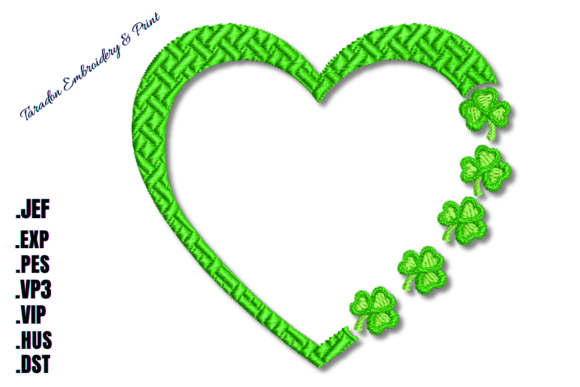
When I opened the Shamrock Heart embroidery file on my design software, I wasn’t just scanning for stitch count or hoop compatibility—I was asking: *Does this feel like something I’d confidently stitch for a client?* The answer was yes. Visually, it’s warm and intentional: a soft heart shape with a single, well-proportioned shamrock nestled at its center—not fussy, not minimal, but balanced. There’s a gentle rhythm to the curves, and the stitching personality leans toward clean satin stitch outlines and smooth fill stitch interiors. It doesn’t scream “holiday gimmick”; instead, it carries quiet Irish flair—ideal for customers who want tradition without cliché.
Real-World Fit: Where Shamrock Heart Naturally Belongs
I tested Shamrock Heart across several real project types: a linen kitchen towel, a cotton baby blanket, a midweight unisex sweatshirt, and a structured canvas tote bag. In each case, it held up beautifully—not as a background filler, but as a focal point that elevated the handmade product. It works especially well where subtlety matters: think nursery decor (pillow covers, wall hangings), boutique aprons for local cafes, or personalized gifts for March birthdays. Because it’s compact and centered, it avoids the visual clutter that can overwhelm smaller items like caps or patches—yet it’s detailed enough to read clearly in a printable mockup or Etsy listing photo.
Performance Notes by Fabric & Application
- Custom apparel: On a lightweight sweatshirt, Shamrock Heart stitched cleanly with medium-weight cutaway stabilizer. No puckering—even over side seams. Its moderate stitch density prevented stiffness while maintaining definition.
- Tote bags & kitchen towels: The design scaled well without adjustment. On terry cloth towels, I added a light tear-away topping to keep the shamrock’s leaf details crisp. No running stitch underlay was needed, but I did slow my machine speed slightly for the tightest curves.
- Baby items & nursery decor: On 100% cotton flannel, it remained soft to the touch post-stitching—critical for blankets and pillow covers. No sharp edges or dense thread buildup, which supports safe, wash-friendly finished products.
- Caps & curved surfaces: I avoided using it directly on a curved cap front due to its centered symmetry—it reads best on flat or gently contoured fabric. For caps, I’d recommend pairing it with a coordinating monogram or using it on a patch instead.
- Embroidered patches: As an applique design? Not built for that—but as a standalone embroidered patch, yes. Stitch it on twill with heat-seal backing, then trim close. The clean edges hold up well in both iron-on and sew-on applications.
What It Adds Beyond Stitches
Using Shamrock Heart isn’t just about completing a project—it’s about reinforcing buyer trust and brand consistency. Customers notice when a design feels cohesive, not slapped on. This machine embroidery design reads as intentional: thoughtful spacing, harmonious proportions, and a seasonal motif that doesn’t date quickly. That translates directly to better product photography (no awkward stretching or distortion), stronger Etsy engagement (shoppers linger on clean, confident visuals), and repeat interest from craft fair buyers who recognize quality embroidery file execution.
For small business owners and digital product sellers, Shamrock Heart also supports smart bundling: pair it with coordinating St Patrick S Day designs (like simple clover sprigs or “Kiss Me” lettering) to create themed design assets for clients—or bundle it into a seasonal embroidery kit with matching thread colors and stabilizer notes.
Practical Embroidery Notes You’ll Want to Keep Handy
Before stitching Shamrock Heart for any commercial embroidery or handmade product, here’s what I recommend:
- Always test on scrap fabric matching your final substrate—especially for dark fabric or textured weaves. Contrast matters: light thread on navy reads beautifully, but pale green on olive may need a tone shift.
- Check stitch density in your software. If you’re working with delicate fabrics (like baby knits), consider reducing density by 5–8%—but only after testing. Don’t assume it needs adjustment.
- Confirm hoop size requirements before loading. While it fits comfortably in a 4x4 hoop, verify the exact dimensions listed on the Creative Fabrica product page—some versions may include alternate sizes.
- Compare light and dark fabric mockups side-by-side. I found the design’s subtle dimension shines more on lighter backgrounds, but it gains lovely warmth on charcoal or forest green.
- Use appropriate stabilizer: cutaway for stretchy knits, tear-away for stable wovens, and a light topping for napped or fuzzy fabrics like terry or fleece.
- After stitching, inspect small details—especially the inner curve of the heart and the shamrock’s stem. A quick trim with micro-snip scissors removes stray threads without disturbing the satin stitch integrity.
- Finally, review licensing terms on the Creative Fabrica product page before selling finished items. Commercial use is permitted, but always confirm whether physical product resale or digital redistribution is covered.
A Design That Supports Your Craft—Not Just Your Calendar
Shamrock Heart won’t replace your go-to script monogram or classic floral motif—but it fills a specific, valuable niche: a refined, stitch-ready St Patrick S Day heart that feels personal, not promotional. It’s the kind of embroidery file that makes a custom apron feel like a gift, turns a plain sweatshirt into a keepsake, and gives your Etsy shop a seasonal lift without sacrificing authenticity.
If you embroider for real people—not just pixels—this is one of those rare designs that balances charm with practicality. It stitches reliably, photographs well, washes well, and invites connection. That’s not just embroidery. That’s intention made tangible.