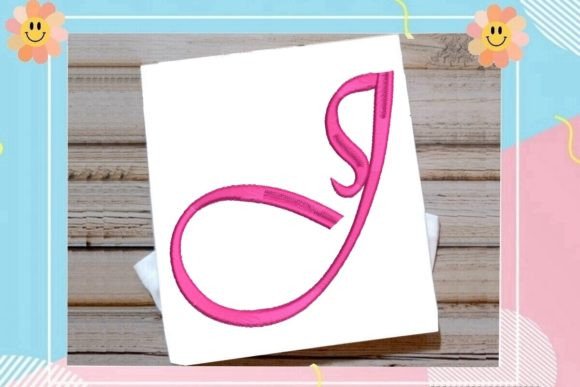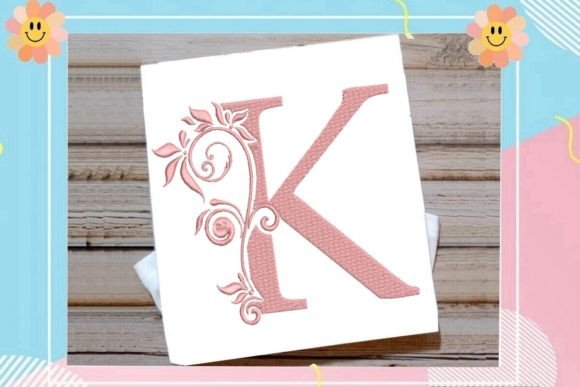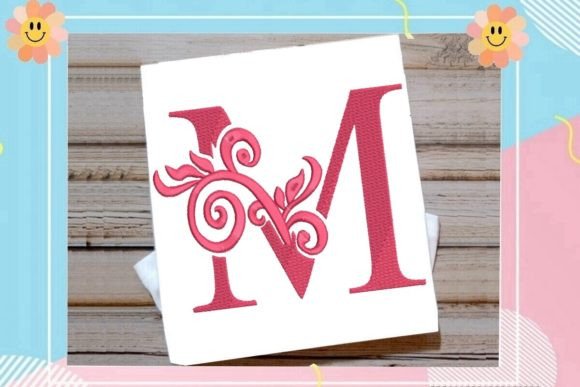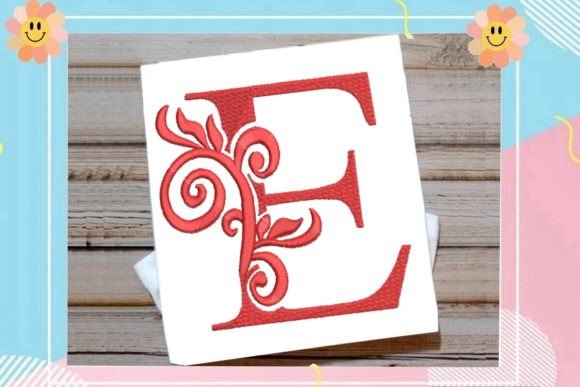
Beautiful Monogram G Letter
A Designer’s First Look: Grace, Not Gimmick
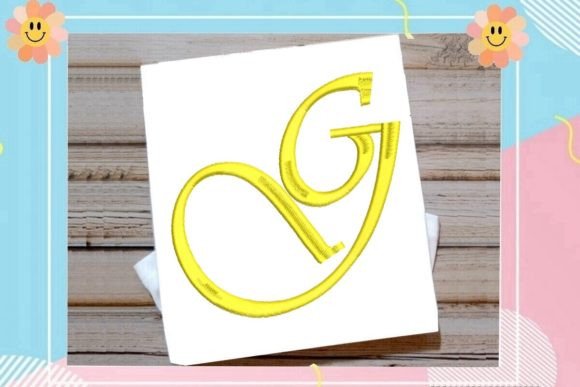
When I opened Beautiful Monogram G Letter, my first thought wasn’t “pretty”—it was “purposeful.” This isn’t a flashy, trend-chasing letter. It’s a quiet, confident monogram: balanced curves, intentional negative space, and subtle flourishes that nod to tradition without leaning into cliché. The “G” feels grounded—not too thin, not overly ornate—so it holds its shape across fabric types and scale. As a designer who’s stitched hundreds of monograms for wedding monogram projects, boutique aprons, and Etsy baby onesies, I immediately saw where this one fits: in pieces meant to be cherished, not just worn.
Real-World Stitch Test: A Linen Tote Bag for a Bridal Shower Gift
Last week, I used Beautiful Monogram G Letter on a natural linen tote bag—intended as a personalized gift for a bride whose initials are G.R. I chose medium-weight cutaway stabilizer, 40-weight cotton thread in soft charcoal, and stitched at 85% speed on my mid-arm machine. The result? Crisp satin stitch edges, clean fill-stitch interiors with no puckering, and zero skipped stitches—even through the slight texture of the linen. Customers notice that polish. When a client sees a monogram like this on a handmade product, they don’t just see embroidery—they see care, consistency, and craft intention.
Where It Shines (and Where to Pause)
Beautiful Monogram G Letter excels in contexts where elegance supports function:
- Custom apparel: Works beautifully on crewneck sweatshirts (left chest), structured tote bags, and lightweight denim jackets—especially when paired with minimalist branding.
- Baby embroidery: Its moderate detail level avoids tiny, fragile elements that snag or fray on onesies or burp cloths.
- Wedding monogram applications: Ideal for napkin corners, pillow covers, or custom tea towels—where legibility and timelessness matter more than trendiness.
- Embroidered patch production: Clean outer edges and consistent stitch density make it highly adaptable for iron-on or sew-on patches.
That said, proceed with attention on:
- Curved surfaces: Caps and beanies require careful digitizing adjustments—this design wasn’t built for extreme distortion, so test hoop placement and consider light resizing if stitching on a front panel.
- Thin or stretchy fabrics: Lightweight knits or rayon challis need extra stabilization—running stitch underlay helps anchor the satin borders before the main fill.
- Dark fabric backgrounds: The inner flourishes rely on contrast. On navy or charcoal, use a slightly lighter thread—or add a subtle white underlay layer if your software allows.
- Small hoop sizes: Below 4” x 4”, some delicate interior curves may lose definition. Always check the smallest recommended hoop size before committing to a batch run.
What It Adds to Your Finished Product—Beyond Aesthetics
A monogram is rarely just decoration. With Beautiful Monogram G Letter, you’re adding perceived value—not through complexity, but through cohesion. It reads as professional, even on a $28 kitchen towel sold at a local craft fair. For Etsy sellers, that translates directly to fewer “Is this machine or hand-stitched?” questions—and more “I need one in gold thread!” messages. For small shop owners, it reinforces brand consistency across product lines: same refined “G” on a baby blanket, a linen apron, and a holiday ornament set.
It also builds trust. When customers recognize a consistent, well-executed monogram across your handmade product range, they begin to associate your work with reliability—not just charm. That matters whether you’re shipping embroidered patches to a boutique buyer or fulfilling a custom sweatshirt order for a local yoga studio.
Practical Designer Notes Before You Stitch
Before using Beautiful Monogram G Letter in your next embroidery project, take these five minutes seriously:
- Test on scrap fabric—same type and weight as your final piece—to confirm stitch density and thread tension.
- Check thread color contrast on both light and dark mockups. What reads elegantly in grayscale may disappear on black twill.
- Review the file’s underlay and pull compensation. If you’re new to commercial embroidery, ask your digitizer (or file provider) whether this embroidery file includes optimized underlay for satin edges.
- Confirm licensing before selling finished items or bundling it into digital embroidery bundles. Personal use ≠ commercial use—and many crafters overlook this until an Etsy takedown notice arrives.
- Use proper stabilizer. This isn’t a design that forgives weak backing—especially on textured or loosely woven fabrics like canvas or oatmeal linen.
Fitting Into Your Creative Workflow
If you’re an embroidery designer building a library of design assets, Beautiful Monogram G Letter fills a specific, valuable niche: the “elegant-but-approachable” monogram. It pairs well with clean sans-serif fonts for mixed-monogram sets, complements floral applique designs without competing, and scales reliably from 2.5” (for baby caps) to 5.5” (for pillow covers). As a digital embroidery file, it’s versatile—not overly dense, not too sparse—making it efficient for both home machines and small commercial setups.
For craft business owners and Etsy sellers, it’s a low-risk, high-return addition: easy to photograph, simple to describe (“classic monogram styling, perfect for weddings and keepsakes”), and instantly recognizable as premium. It doesn’t shout—but it lingers. And in a crowded handmade market, that kind of quiet confidence is exactly what makes a design worth keeping, stitching, and selling again.